



Medical Supply Tracking Decides How Fast You Clear a Recall
Healthcare
October 27, 2026

On October 20, 2026, the FDA posted an early alert for Cardinal Health Presource packs that contain BD Alaris Pump infusion sets covered by the BD and CareFusion 303 infusion set recall, which the FDA classifies as Class I. BD found that sets with restrictive components perform worse than previously disclosed, most often at programmed rates under 1 mL/h and at bolus volumes of 5 mL or less. The first action on FDA's list for customers is four words long: identify affected product in inventory. Medical supply tracking is what decides whether that takes an hour or a week.
It is harder because the recalled part is not a line in your supply room. It is a component sealed inside a procedure pack.
A Presource pack arrives as one item, gets stocked as one item, and gets pulled as one item. The infusion set inside carries its own catalog number and its own recall status, and nothing printed on the bin label says so. Your materials manager can know the pack count exactly and still have no idea how many recalled sets are on the floor.
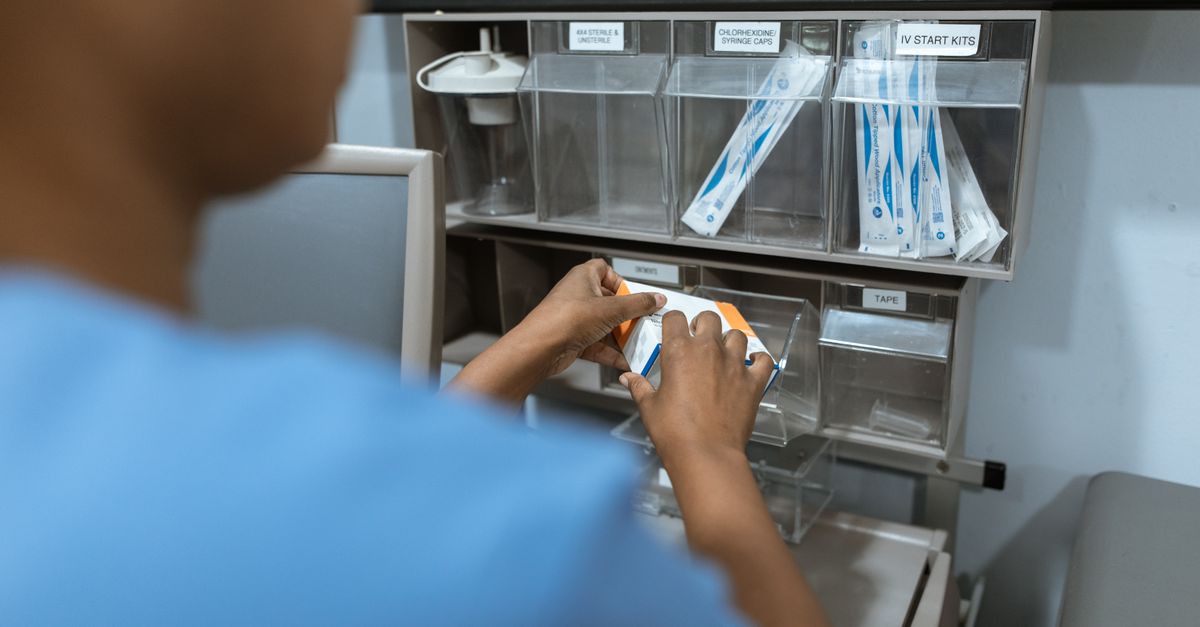
Most supply rooms run on par. Someone looks at a bin, decides it reads low, and restocks it. Par is a reordering tool. It was never a locating tool, and a recall is a locating problem.
This is not a rare event to plan around once. FDA's recent recalls and early alerts list carried 25 entries published between August 18 and October 20, 2026. Convenience kits show up on that list again and again, because one recalled component travels inside dozens of pack configurations.
Start on the purchasing side, where the catalog numbers actually live.
Pull the product list and match it to receipts. The FDA alert links a full list of affected packs. Match those catalog numbers against what purchasing received in the last 12 months, not against what bin labels say. Receipts are the only record that names the pack configuration.
Walk the rooms with the list in hand. Every room, every clean core, every procedural cart, every overflow closet that is not on anyone's rounding sheet. Write down the count you find, by room. The clinical calls in the alert, on set selection and pump choice, belong to your pump and pharmacy leads. The count belongs to you.
Weigh the bulk bins instead of counting them. Sealed packs are easy to count by eye. The small-unit stock behind them, the flushes, the connectors, the single-use components, is where hand counts fall apart and where time disappears. This is the part Cloudbox automates. Set the container on the Cloudbox scale station, the station weighs it, converts that weight to a unit count, and records the measured quantity. One station rolls through the room and covers many containers and many SKUs, so the room gets counted in a pass instead of a shift.
Write down what the sweep cost. Hours, people, rooms, and how long it took before you could tell your director a number. That figure is your real recall response time, and it is the number to improve before the next alert.
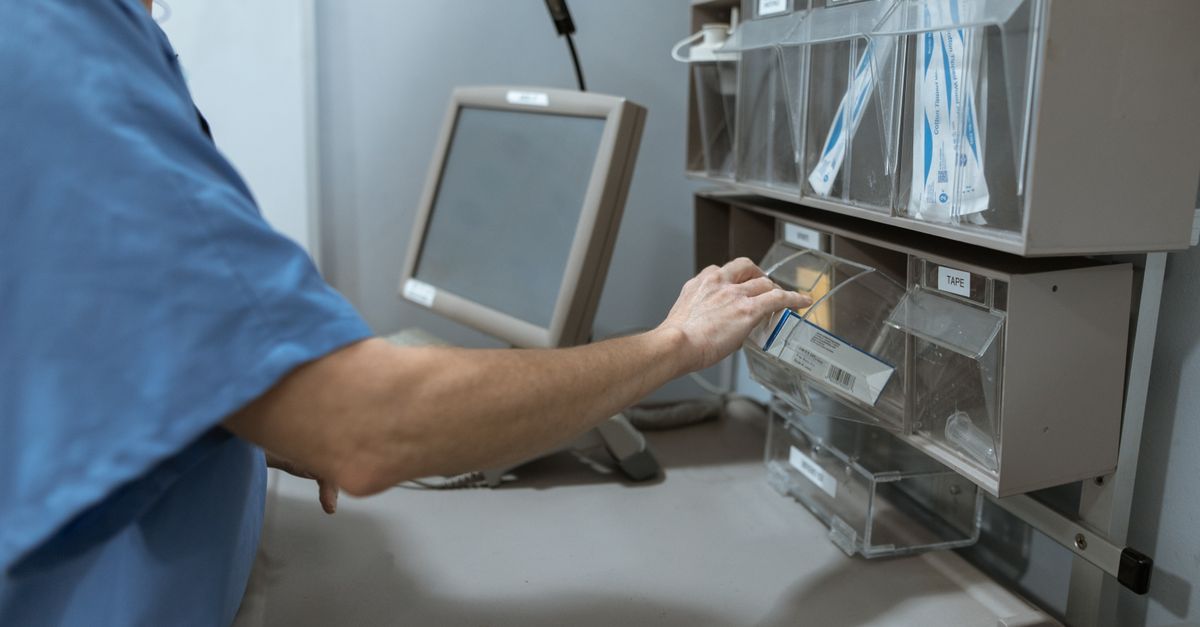
The goal is to answer the question from your desk. How many, which rooms, as of this morning.
That takes a current measured quantity rather than a count someone did three weeks ago. Cloudbox gets you there by weighing instead of counting. Containers go on the scale station, weight becomes a unit count, and the record updates without anybody writing on a clipboard. Because the station is mobile, one unit serves a whole supply room, and the counts stay fresh enough to be worth querying when an alert lands.
From there it is a lookup. The Cloudbox API hands those quantities to the systems your compliance team already reports from, so the sweep produces a document instead of a rumor.
Pick one metric this quarter: time to identify affected stock after an FDA alert posts. Measure it on the Cardinal Health sweep you are running now. Then talk to us about what that number looks like when the rooms weigh themselves.
On October 20, 2026 the FDA posted an early alert for Cardinal Health Presource packs that contain BD Alaris Pump infusion sets covered by the BD and CareFusion 303 recall. BD found the sets perform worse than previously disclosed, mostly at rates under 1 mL/h and bolus volumes of 5 mL or less. The first action FDA lists is to identify affected product in inventory.
Because the recalled item is a component inside a sealed pack, not a line in your supply room. The pack is stocked and pulled as one item, while the part inside carries its own catalog number and its own recall status. Par-level records show the pack count and say nothing about what is inside it.
Yes, for the small loose stock where hand counts are slowest. With Cloudbox, a container goes on the mobile scale station, the station weighs it, converts that weight to a unit count, and records the measured quantity. One station covers many containers and many SKUs, so a supply room gets counted in a pass.
Start with purchasing records, not bin labels, because receipts name the exact pack configuration. Match the FDA product list against the last twelve months of receipts. Then walk every supply room, clean core, procedural cart and overflow closet with that list in hand, and record the counts you find room by room.
Often enough that a one-time sweep is not a plan. The FDA's recent recalls and early alerts list carried 25 entries published between August 18 and October 20, 2026. Convenience kits appear on it repeatedly, because a single recalled component ships inside many different pack configurations.