



How to Track Harvest Weight in METRC Without Manual Re-Entry
Cultivation
July 27, 2026
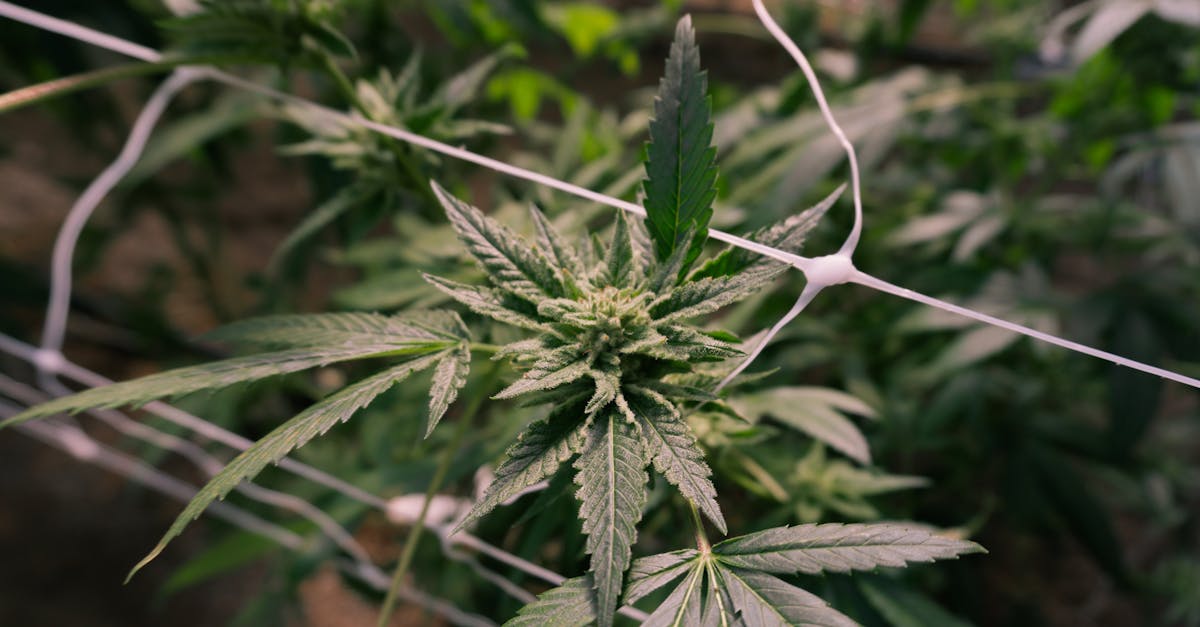
At harvest, most cultivation teams do the same thing twice: they weigh the plant, write the number down, and then enter it into METRC later.
That second step is where compliance risk lives. Not in the weights themselves. In the gap between the weigh and the entry.
Here's how to close that gap.
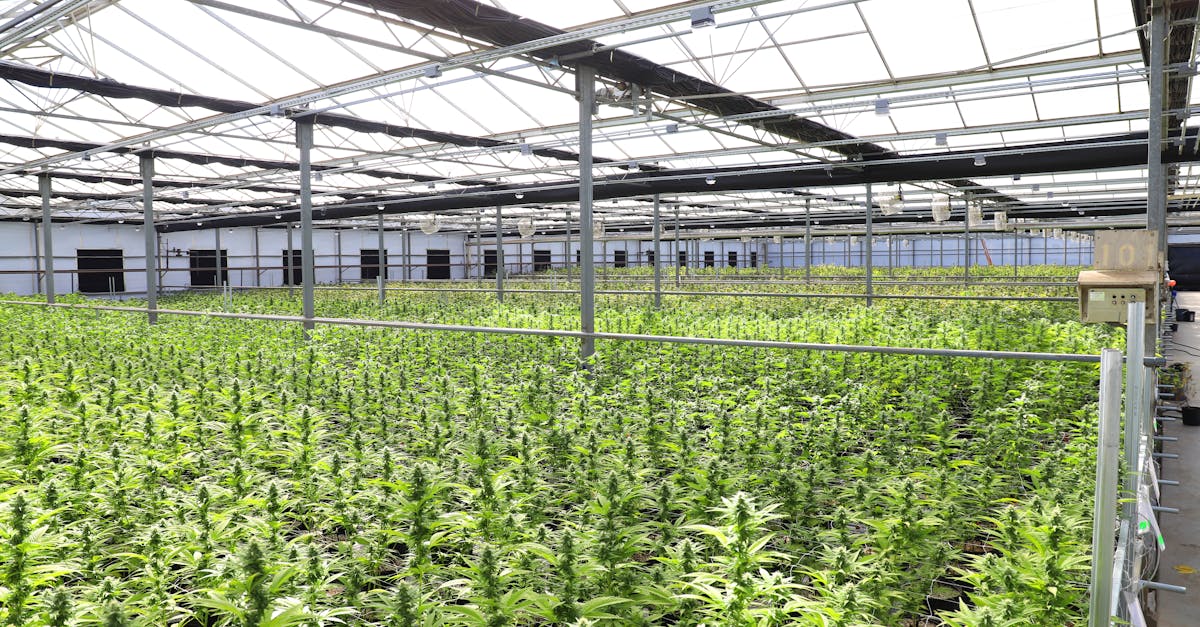
The typical cultivation workflow runs like this. Harvest day: plants weighed by strain, entered on a tally sheet. End of day or next morning: someone pulls the tally sheet and enters the weights into METRC. By the time METRC reflects the harvest, the plants have been in the drying room for 12 to 18 hours.
That gap creates three problems.
Transcription errors. Handwritten numbers get misread. Decimal points drift. A 1,432g harvest becomes 1,423g in METRC. Over a full harvest cycle across multiple rooms, those variances compound.
Timing exposure. Your license records show you have more plant material than you've technically logged yet. If your state has a compliance system like METRC Plant that tracks active plants and their weights, that window looks like an unrecorded transfer to an inspector who shows up during it.
Labor cost. One experienced employee, pulled from post-harvest processing to do data entry, for two to three hours per harvest day. That cost is invisible until you add it up over a quarter.
Start by listing every scale in your facility. Which ones are used for harvest weights? Which ones feed into METRC manually? Which ones are already connected to any software system?
Most cultivation operations have three or four scales involved in the harvest workflow: hanging scales for whole-plant weighs, bench scales for wet weight by strain, and precision scales for sublot tracking in the trim room.
Document which scale produces which weight, and what happens to that number after the weigh.
Not every weight in your facility needs to go to METRC directly. But the ones that do have specific timing requirements under most state programs.
Wet weight at harvest: most states require this to be entered into METRC within 24 hours of harvest. Some require same-day entry.
Post-dry weight: required before transfer out of the facility. Some states require it before processing.
Post-trim weight: required at the sublot level in most states before the product enters the packaging stage.
Understanding the timing requirements in your specific state program will tell you which scales need to be integrated first.
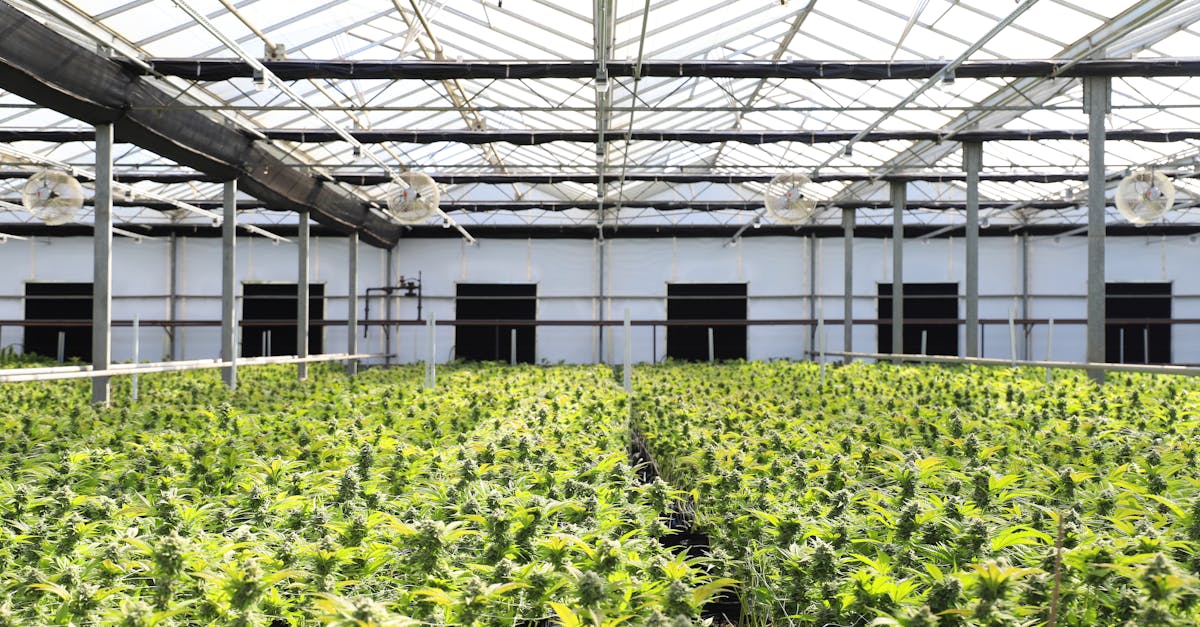
The integration point is the scale that captures your wet weight at harvest. This is the first weight that hits METRC and the one with the tightest compliance window.
The setup works like this. A Cloudbox Station sits alongside your hanging or bench scale. When you weigh a harvest lot, you scan the lot's METRC package tag or plant tag using the Cloudbox mobile app or a Zebra barcode scanner connected to the tablet. The app links that weight to the specific METRC lot. When you confirm the weigh, Cloudbox writes the weight to your METRC license automatically.
No tally sheet. No end-of-day entry. The weight goes from the scale to METRC in the same motion as the harvest weigh.
Once harvest weights are flowing automatically, extend the integration through trim and processing.
Set up a second Cloudbox Station at the trim room bench scale. Configure it for the same lot tags. As trim weight is recorded for each sublot, those entries write to METRC automatically.
The result: your METRC records update in real time as the harvest moves through the facility. When processing is complete, there's no reconciliation session to run. METRC already reflects the current state.
Destruction is where cultivation operators get tripped up the most, and not because they're doing anything wrong. It's because the destruction entry in METRC requires weights, and those weights often come from scales that aren't integrated with anything.
Set up a dedicated Cloudbox Station for destruction weighs. Every item going to destruction gets scanned and weighed before it leaves the facility. The destruction entry writes to METRC automatically.
Your compliance manager gets a report showing every destruction event, with weights, lot IDs, and METRC entry timestamps. That report is your documentation if a regulator asks.
Not calibrating scales before each harvest day. Hanging scales in particular drift under heavy use. A scale that's off by 1% on a 100-plant harvest can mean 500 to 800 grams of unaccounted variance in METRC.
Entering approximate weights into METRC and reconciling "later." There is no later that doesn't carry risk. Enter actual weights at the time of the weigh.
Mixing lot IDs during trim. In a busy trim room, it's easy for sublots from different parent lots to end up on the same bench. The Cloudbox scanner workflow enforces lot ID confirmation before weight entry, which prevents this class of error entirely.
Not logging equipment weights. If you're using bins or trays that have a tare weight, make sure that tare is configured in the system for every container. A 250g bin that doesn't get tared out of a 4,200g weigh adds up fast across a full harvest.
For wet weight at harvest: LP7611 platform scale (200 lb capacity, 0.05 accuracy) for whole-plant weighs, or the Ohaus Ranger 3000 for smaller strains.
For trim room bench work: Ohaus Ranger 3000 (3,000g capacity, 0.1g accuracy). NTEP-certified.
For destruction: any scale from the above list, configured as a dedicated destruction station in the Cloudbox dashboard.
For scanning: Zebra handheld scanners for high-volume harvest days. Standard Android tablet running the Cloudbox app for smaller operations.
Learn more about Cloudbox cultivation integrations at cloudboxapp.com/grow, or review the compliance documentation at cloudboxapp.com/compliance. For a detailed look at how Cloudbox connects to METRC at the SKU level, see the integration setup guide at cloudboxapp.com/setup.
The first fully integrated harvest takes about 30 minutes longer than usual because the team is learning the scanning workflow. Every subsequent harvest runs at the same pace as before, or faster, because the end-of-day entry session is gone.
The biggest adjustment is building the scan step into the harvest motion. The plant comes off the stalk. The lot tag gets scanned. The plant goes on the scale. The Cloudbox app confirms the weight. The harvest assistant records the lot as complete in METRC while the grower is already moving to the next plant.
That sequence is not faster than the old paper method on the first day. It is significantly faster by the end of the first harvest week, and there's no reconciliation session at the end of it.
The second thing that changes is what the compliance manager sees in the morning. Instead of reviewing the prior day's tally sheets and making METRC entries at the start of each shift, the compliance manager opens the Cloudbox dashboard and confirms the overnight sync was clean. On good days, that review takes five minutes.
On days when something drifted, the system tells them exactly which lot had the variance and what the expected versus actual weight was. The investigation starts specific, not from scratch.
Most state cannabis programs require wet weight at harvest to be entered into METRC within 24 hours, and some require same-day entry. Post-dry weight must typically be recorded before any transfer out of the facility. Check your specific state program requirements, as timing windows vary.
The Cloudbox Station is hardware-agnostic. Common choices for cultivation harvest weighs are the LP7611 platform scale (200 lb capacity, 0.05 lb accuracy) for whole-plant weighs and the Ohaus Ranger 3000 (3,000g capacity, 0.1g accuracy) for strain-level bench weighing. Both are NTEP-certified and legal-for-trade.
Set up a dedicated Cloudbox Station for destruction weighs. Every item going to destruction is scanned and weighed before it leaves the facility. The destruction entry writes to METRC automatically, with the weight, lot ID, and timestamp recorded. Your compliance manager receives a destruction report showing every event, which serves as documentation during regulatory audits.
The operator scans the METRC plant or package tag using the Cloudbox app on a tablet or a Zebra barcode scanner. The scan links the next weight reading from the connected scale to that specific METRC record. When the operator confirms the weigh, Cloudbox writes the weight to METRC automatically.
Yes. A Cloudbox Station in the trim room tracks sublot weights against the parent lot tag. Each sublot weigh is scanned and confirmed, and the entry writes to METRC automatically. The system also tracks that sublot weights sum to the parent lot weight within tolerance, which is one of the most common sources of cultivation compliance violations.

.png)