



Chargeback Prevention Is a Counting Problem, Not a Paperwork Problem
Industrial
November 6, 2026

Most hardware distributors run chargeback prevention out of the wrong department. The deduction lands on a remittance advice, accounts receivable flags it, somebody pulls the packing list and the bill of lading, a dispute goes out, and three weeks later part of the money comes back. That whole process is cleanup. The error happened weeks earlier, at a bin location, when a picker counted 480 washers into a tote and wrote down 500.
Nobody saw it. That is the point.
Operators tend to treat a shortage deduction as a customer being difficult. It is closer to a customer exercising a right that has been sitting in commercial law for sixty years.
Under UCC section 2-717, a buyer who notifies the seller may "deduct all or any part of the damages resulting from any breach of the contract from any part of the price still due under the same contract." No arbitration, no negotiation, no approval from your sales rep. The buyer tells you, then takes it off the next check. And under UCC section 2-601, if the goods "fail in any respect to conform to the contract," the buyer may reject the whole shipment, accept it, or accept some commercial units and reject the rest.
Read that phrase again. Fail in any respect. A pallet of grade 8 hex bolts that is forty units light on one of eighteen line items is a nonconforming tender. Your customer gets to pick which of the three options hurts you most, and the paperwork you file afterward is arguing about a fact that was already decided on your dock.
Chargeback prevention, then, cannot live in accounts receivable. It lives at the pick face.
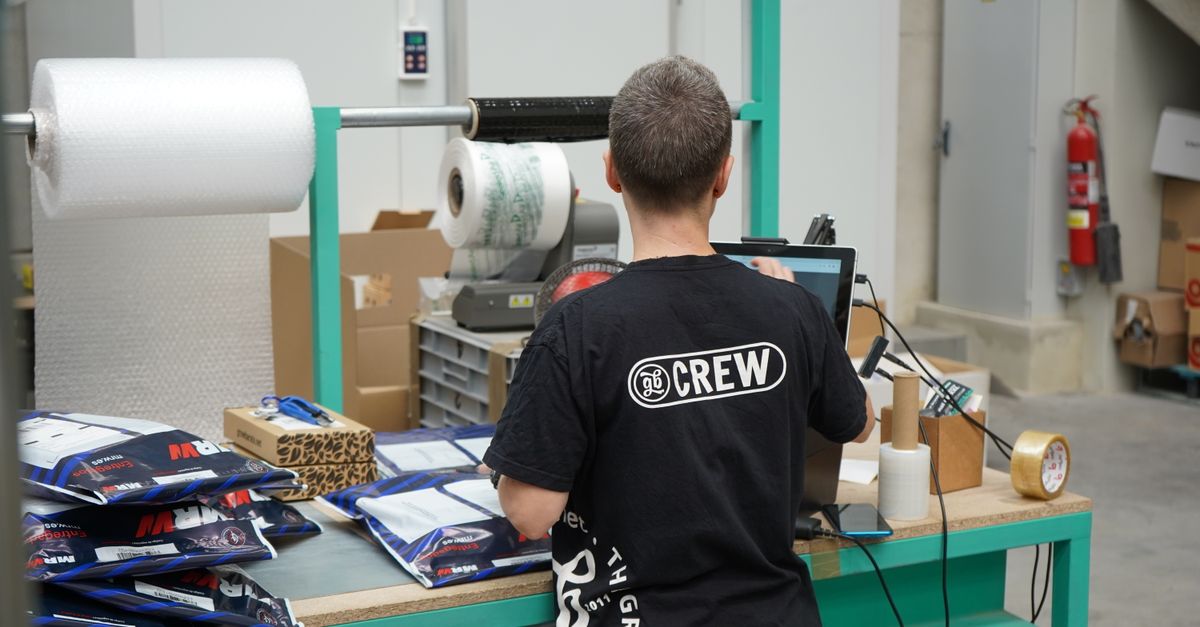
The standard advice is more scanning. A recent Logiwa guide on pick and pack fulfillment, published in late October, recommends scan-based checks at every stage and tracking pick accuracy, orders per hour and cost per order. Sound advice as far as it goes, and it is written mostly for direct-to-consumer operations shipping one or two items a box.
Fasteners do not work that way. A scan confirms you are standing in front of the right SKU. It confirms the part number on the bin label matches the part number on the order line. It is silent on the only question your customer cares about, which is how many of them went into the tote. You can scan a bin of M6 flange nuts perfectly and still ship 940 instead of 1,000, and the system will record a clean, verified, fully compliant pick.
That gap is where quantity errors live, and in a catalog with thousands of SKUs that differ by a thread pitch or a quarter inch of length, your eyes are not going to close it either. The smaller and more similar the parts, the worse visual checking performs.
Weight closes it, because weight is the one property that scales with count. Cloudbox holds the per-unit weight for each SKU, so when the picker drops units onto the Cloudbox scale station the count climbs on the display and stops at the number on the order. Over-counting becomes visible before the tote leaves the aisle. Under-counting becomes visible in the same second. The measured quantity, not the intended quantity, is what gets recorded.

Here is the part that should bother any owner looking at gross margin per order.
Under-shipping is loud. The customer opens the carton, finds they are short fifty bolts, files a claim, and you pay reship freight plus the customer service hours plus whatever the deduction costs you. Painful, measurable, and at least you learn about it.
Over-shipping is silent. When a picker is counting high-volume hardware by hand under time pressure, running over is the safer mistake, because nobody ever calls to complain that you sent too many. So the extra units ship, the customer is delighted, and free product leaves your building on your freight. Nothing in your order history flags it. Nothing in your ERP flags it, because the system deducted what was supposed to be picked, not what actually went in the box. It surfaces once a year, as a variance at physical count, and it gets written off as shrinkage by someone who never connects it to the fulfillment process.
A distributor with a real chargeback problem almost always has a larger over-shipping problem hiding behind it. Both come from the same root cause, which is that counting by hand produces an estimate and everybody downstream treats it as a fact. Counting by weight on a Cloudbox station produces a measurement, and the two halves of the problem close together because they were never separate problems.
If chargeback prevention sits at the pick face, your dashboard needs to change with it.
Shortage claim frequency is a lagging indicator. So is dispute recovery rate. They tell you how well your office handles errors that already shipped. The number worth watching is the gap between what your system says you picked and what a measurement says you picked, line by line, and almost no distributor can produce it today because nothing in the workflow measures the second half.
That is the number Cloudbox generates as a side effect of normal picking. Weight-based verification on every line means inventory deducts in real time off the measured count, so per-location stock stays current instead of drifting until the next count. For anyone running more than one warehouse, that same accuracy is what finally tells you whether to transfer stock between buildings or cut another purchase order, a decision most ERPs make badly because they only see a company-wide total.
Your pickers are not the problem. Hand counting high-count, low-value hardware under a daily order deadline is the problem, and it was a reasonable way to run the business back when the catalog was a third of its current size.
The fix is not a better dispute letter. It is making the quantity on the truck a measured number before the truck leaves, so section 2-717 never gets invoked against you and the over-shipping you cannot currently see stops funding your customers' inventory. Weighing on a Cloudbox station does that, on the same pick path your team already walks, because the station weighs the container and turns that weight into the unit count it records.
Pull your last twelve months of shortage claims and reship freight, then look at your last physical count variance. See what the Cloudbox scale station would have caught, and if you want those measured counts landing in your accounting and ERP records automatically, the API is how that happens.
Quantity errors made during picking. When a picker counts high-count hardware by hand into a tote, the number written down is an estimate. Everything downstream treats it as a fact, so the error ships, and the deduction arrives weeks later against an order nobody can re-examine.
Scanning confirms you picked the right SKU, not how many units you picked. A bin of flange nuts can scan perfectly while the tote holds 940 pieces instead of 1,000, and the system still records a verified pick. Quantity needs a measurement, which is what a scale provides.
Cloudbox holds the per-unit weight for each SKU, so when units go onto the Cloudbox scale station the count climbs on the display and stops at the ordered quantity. Over-counting and under-counting both become visible before the tote leaves the aisle, and inventory deducts against the measured count.
Under UCC section 2-717, a buyer who notifies the seller may deduct damages for a breach from any part of the price still due under the same contract. Under section 2-601, goods that fail in any respect to conform to the contract may be rejected in whole or in part.
Under-shipping generates a claim, reship freight and a deduction, so you learn about it. Over-shipping generates nothing. The customer receives extra units and stays quiet, and the loss appears once a year as a variance at physical count that usually gets written off as shrinkage.