


Seed-to-Sale Compliance Doubles When You Split a California License
Cannabis Retail
November 3, 2026
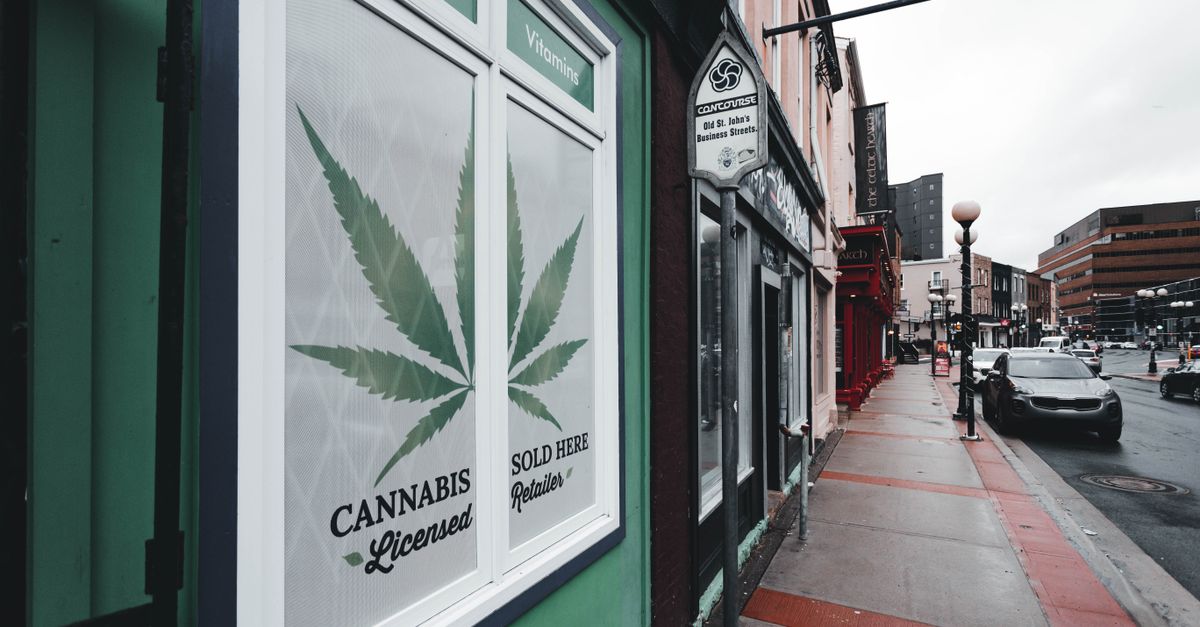
Splitting one license into two changes what seed-to-sale compliance looks like on your sales floor. On October 30 the California Department of Cannabis Control published its notice of proposed rulemaking for DCC-2026-04-R, "Modifications to A and M Designation." It would let a retailer holding both adult-use and medicinal designations split them into two separate licenses at the same premises through a faster process, and it would allow the medicinal license to sit with a different legal entity when certain conditions are met. The package makes permanent the emergency rules the department adopted on June 4. Public comment runs through December 14, 2026.
Nothing in the proposal asks you to build a partition down the middle of your store. The conditions are paperwork and product handling:
The stock rules are the sharp edge. Whatever you are holding when you make the change stays under your existing adult-use license and its track-and-trace account, and sales of that stock happen under that license. The new medicinal license has to bring in its own product rather than taking a transfer of what you already have, and the annual fee on the new license gets paid before anything moves to it.
The department says roughly 1,600 licensees could be eligible, all of them retailers and microbusinesses holding both designations. Ninety-five have already split under the emergency rules. Nobody is forced to do it.
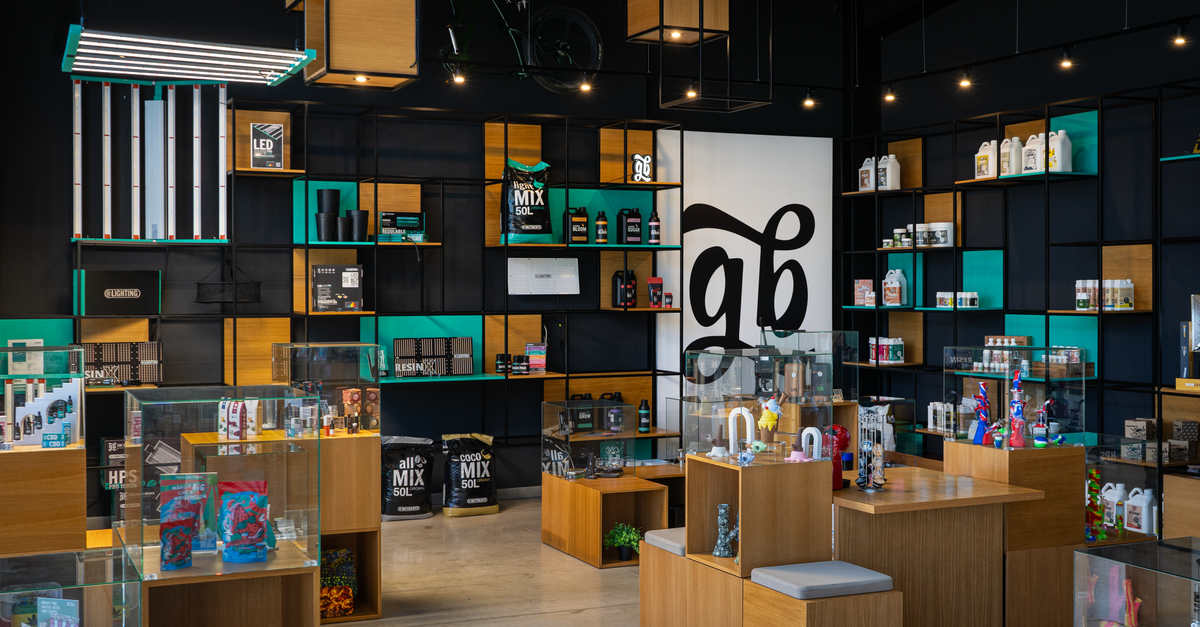
A split floor is a measurement problem before it is a legal one. Every jar, every pre-roll, every box of edibles now answers to one license, and the question "how many do we have" has two correct answers that must never be added together by accident. A budtender pulls from the wrong side of the shelf during a busy Friday and your counts stop matching your reports on both licenses at once.
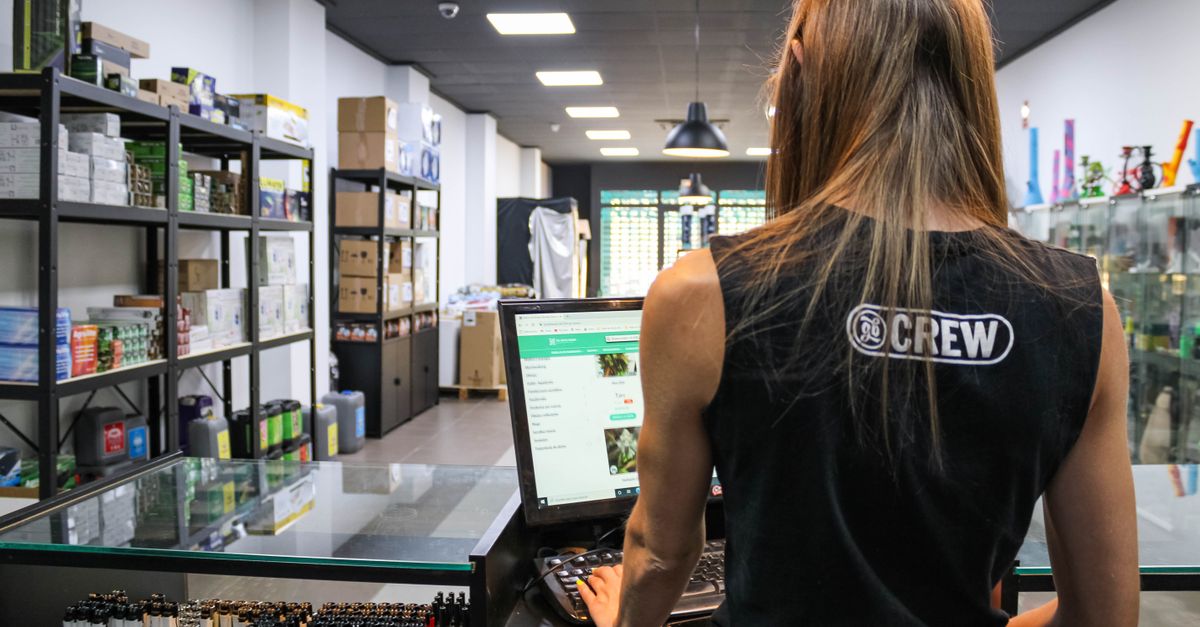
That is twice the work for anyone still counting by hand. Walking the same rack with a clipboard, once for the adult-use count and once for the medicinal count, doubles the labor and doubles the chances of writing down a wrong number. Cloudbox does it by weight instead. Set the container on the Cloudbox scale station, the station weighs it, the weight becomes a unit count, and the measured quantity is recorded against the license that container belongs to. One station rolls through the back room and covers a whole rack of SKUs, so the second set of books costs you a second weigh rather than a second count.
None of this needs a purchase order.
A compliance check goes well when your numbers came from a measurement rather than from somebody's tally at the end of a long shift. That is the whole argument for weight-based cannabis inventory management: the Cloudbox scale station weighs the container, converts that weight into a unit count, and writes the measured quantity to the right license automatically, which is also how dispensary stock accuracy stops depending on who was working that day.
Two licenses on one floor is coming for about 1,600 California retailers, and the ones who handle it well will be the ones who stopped counting first. See how the scale station works before you file your request, not after.
It is a proposed rule the California Department of Cannabis Control published on October 30, 2026, titled Modifications to A and M Designation. It would let a licensee holding both adult-use and medicinal designations obtain two separate licenses for the same premises through a faster process, and it would allow the medicinal license to be held by a different legal entity when certain conditions are met.
No. The department describes the change as voluntary. It says roughly 1,600 licensees, all of them retailers and microbusinesses holding both designations, could be eligible, and that 95 have already obtained separate licenses under the emergency rules adopted in June 2026.
Public comment on DCC-2026-04-R is accepted through December 14, 2026. The notice of proposed rulemaking was published on October 30, 2026, and the package would make permanent the emergency regulations the department adopted on June 4, 2026.
Existing stock stays under the adult-use license you already hold, and sales of that stock run through that license and its track-and-trace account. The new medicinal license has to obtain its own product rather than receiving a transfer of what you already have, and its annual license fee gets paid before anything moves to it.
Goods have to be physically separated according to the license they belong to and told apart in inventory or tracking records, with business records kept separately for each license. Weight-based counting helps, because the Cloudbox scale station weighs the container, turns that weight into a unit count, and records the measured quantity against the right license.